
National Assembly of the Republic of Serbia / Activities / Activity details
18 June 2026 The National Assembly delegation at the meeting of the Committee on Culture of the Parliamentary Dimension of the Central European Initiative
Thursday, 18 June 2026
National Assembly Delegation Takes Part in CEI PD Culture Committee Meeting
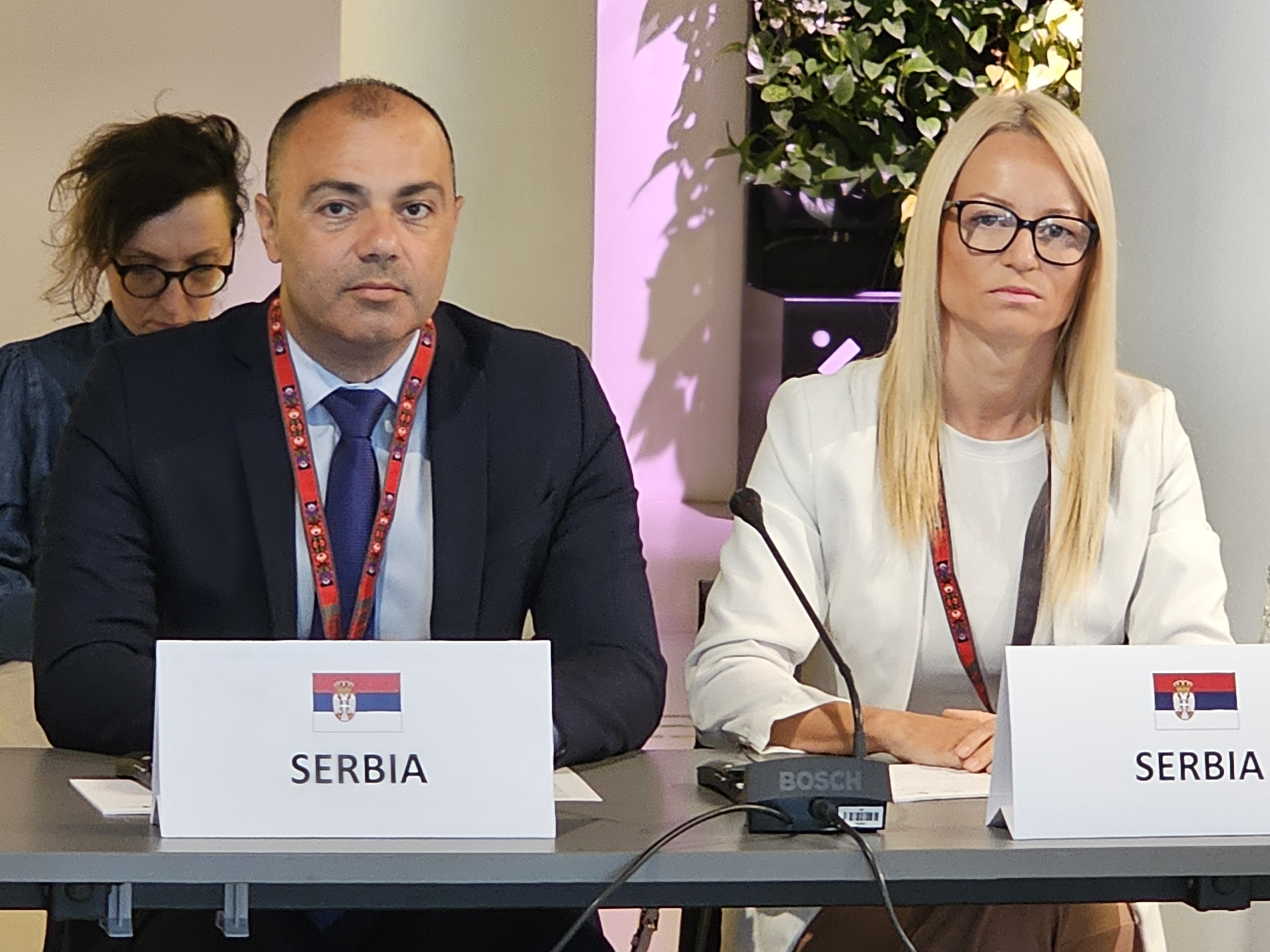
The standing delegation of the National Assembly of the Republic of Serbia, consisting of Ana Miljanic, Acting Head of the delegation, Branimir Jovanovic, member of the delegation, and Biljana Krsmanovic, secretary of the delegation, took part in the meeting of the Central European Initiative Parliamentary Dimension (CEI PD) Committee on Culture, which was held in Katowice, Republic of Poland.
The participants of the meeting discussed topics of importance for the promotion of cultural cooperation among CEI member states, preservation of cultural heritage, development of cultural and creative industries, as well as the role of culture in strengthening mutual understanding and regional connectivity. Special attention was paid to the central topic: "Revitalisation of post-industrial areas in Central Europe on the example of selected areas in the Silesian Voivodship".
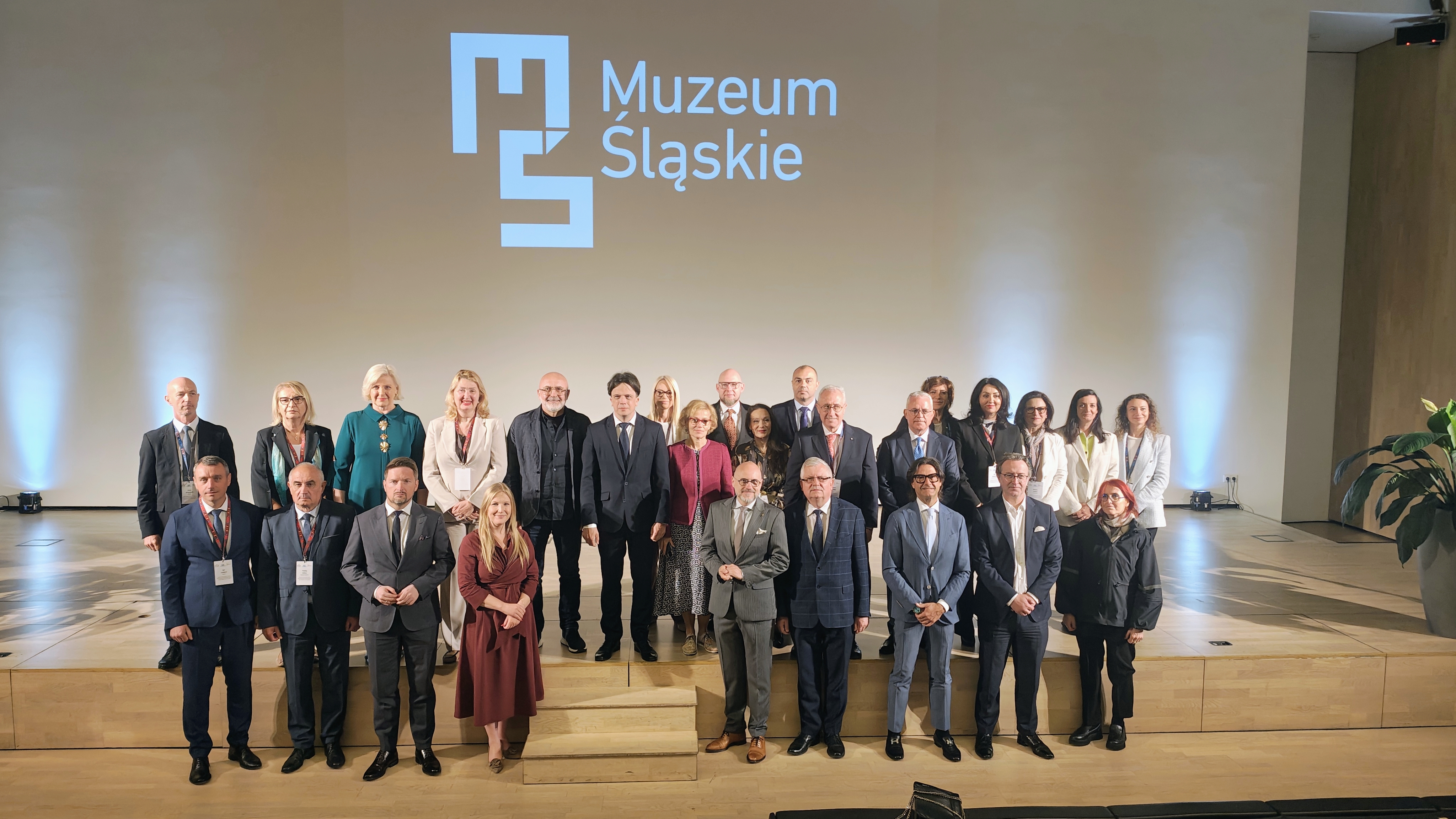
In addition to the Polish, presiding, delegation, the meeting was attended by delegations from Italy, Serbia, the Czech Republic, Romania, Albania, Bosnia and Herzegovina, Bulgaria, Moldova, Ukraine and North Macedonia. Tomasz Glogovski, President of the CEI PD Committee on Culture, Rozalia-Ibolya Biro, Head of the Romanian Presidency of the CEI PD and Ivana Pejovic, Deputy Secretary General of the CEI, had the honour to open the meeting and greet the distinguished guests.
The delegations of the participating countries had the opportunity to express their enthusiasm for Poland's achievements in the revitalisation and urbanisation of the former industrial and mining areas of Katowice, and also showcase the achievements of their own countries. Speaking about the experiences of the Republic of Serbia in this area, Ana Miljanic said: "Serbia, like many countries in Central and Eastern Europe, has undergone significant economic and social changes over the past decades. Industrial complexes that were the foundation of our economic progress and social stability during the 20th century, have lost their primary function due to global technological changes and transition. Today, we do not view these spaces only as symbols of the past, but also as valuable spatial resources. Our approach to revitalising post-industrial buildings is based on their transformation into multifunctional centres that unite innovative economy, culture and modern living. This process allows us to transform abandoned locations into modern urban ecosystems, creating technological parks, green areas and public spaces adapted to the needs of our citizens. It is crucial to emphasise that, through their adaptation and functional transformation, we pay special attention to preserving the identity of industrial heritage, as an important part of cultural and historical heritage."
By participating in this meeting, the National Assembly of the Republic of Serbia confirmed its commitment to the development of regional cooperation and active participation in the work of the Parliamentary Dimension of the Central European Initiative.
Photo gallery